

Smartphones
Latest Andru Edwards Videos
iPhone Duo Review: It’s Not the Next iPhone. (Video)

Posted by Andru Edwards Categories: Apple, Smartphones, Product Reviews, Videos,
For nine years, you've used every iPhone the same way, by swiping. The iPhone Duo, Apple's first foldable, changes that for only the second time, and it's the first time Apple rebuilt the hardware to do it. After a week with it, the Duo has a spot in my pocket. So does my Pro Max.
Click to continue reading iPhone Duo Review: It’s Not the Next iPhone. (Video)
Advertisement
iPhone Duo Review + Pre-Order Problems with Andru Edwards | Power On with Mark Gurman (Video)
Posted by Andru Edwards Categories: Apple, Smartphones, Videos,
I've had an iPhone Duo for a week. Mark Gurman has a pre-order with a November ship date. That gap ran through most of our conversation when I joined Mark on Bloomberg's Power On podcast as his first outside guest, the week Apple's first foldable ships.
Apple Says Stores Have iPhone Duos Today. It Also Said Walk-In Stock Is Limited.
Posted by Andru Edwards Categories: Apple, Smartphones,

If you are weighing a drive to an Apple Store this morning for an iPhone Duo, Apple has given you two answers in the same week. Marketing chief Greg Joswiak told TechRadar that walk-in buyers should find phones waiting: "we didn't ship them all away during the pre-order, we have them available at the stores, we're excited." He added, "I'm sure we'll have some happy customers."
Days earlier, Apple told 9to5Mac that stores would have "limited" iPhone Duo availability for walk-in customers in the countries it listed, among them the US, the UK, Canada, Germany and Australia. Both of those are Apple's words, on the record, inside the same week. Neither one tells you how many phones are behind the counter at the store nearest you.
The Foldable iPhone is Here: Our First Impressions of the iPhone Duo
Posted by Andru Edwards Categories: Apple, Smartphones, Features, Videos,
Apple has finally made an iPhone that folds. I just spent a lot of time getting hands-on with the iPhone Duo at the Apple launch, and the excitement start right when you open it up. It introduces a completely new way to use iOS.
Let's dive into what this $1,999 device actually does!
Click to continue reading The Foldable iPhone is Here: Our First Impressions of the iPhone Duo
The iPhone 18 Pro’s Secret Weapon: How a Variable Aperture Camera Will Change Your Photos
Posted by Andru Edwards Categories: Apple, Smartphones, Features, Product Reviews,
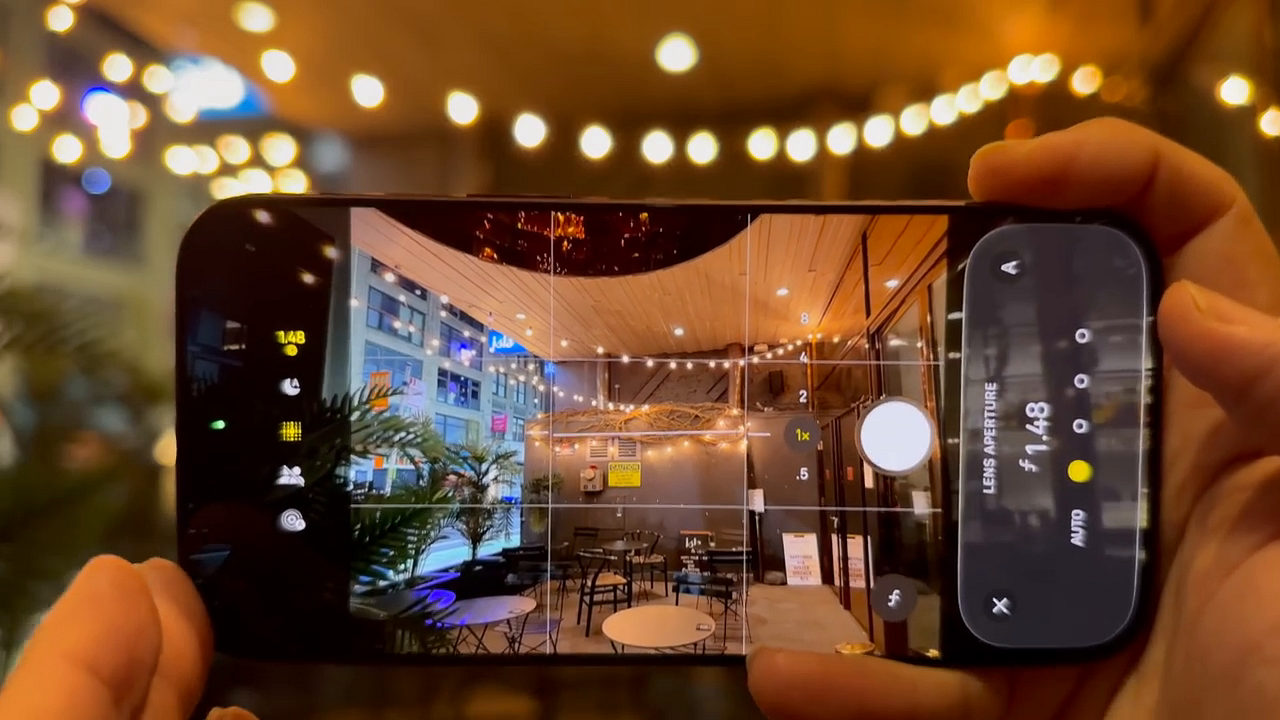
Apple just changed how the iPhone Pro thinks. On the surface, the iPhone 18 Pro might look like a standard, iterative update. But underneath the familiar exterior lies a completely rebuilt architecture. We are talking about a new chip, a massive cooling upgrade, and a camera system that finally does something no other iPhone has ever done. Let's dig into what makes this device a quiet powerhouse.
A familiar design with a few smart tweaks
The body uses a high-heat force aluminum unibody, keeping it lightweight but incredibly tough. Apple introduced four colors this year: Black, Silver, Glacier, and Burgundy. The Burgundy finish is deep, sophisticated, and catches the light beautifully without screaming for attention.
Durability is highly impressive. Both the front and back feature Ceramic Shield 2. You can comfortably run this display without a screen protector and not see a single scratch after heavy daily use.
Up top, the Dynamic Island is about 25% smaller but now shows up to three live activities at once. Apple achieved this by hiding the FaceID IR camera directly behind the display pixels, giving you more screen real estate without losing functionality.
Clicks Wants $499 Today for a Keyboard Phone That Ships in December
Posted by Andru Edwards Categories: Announcements, Smartphones,
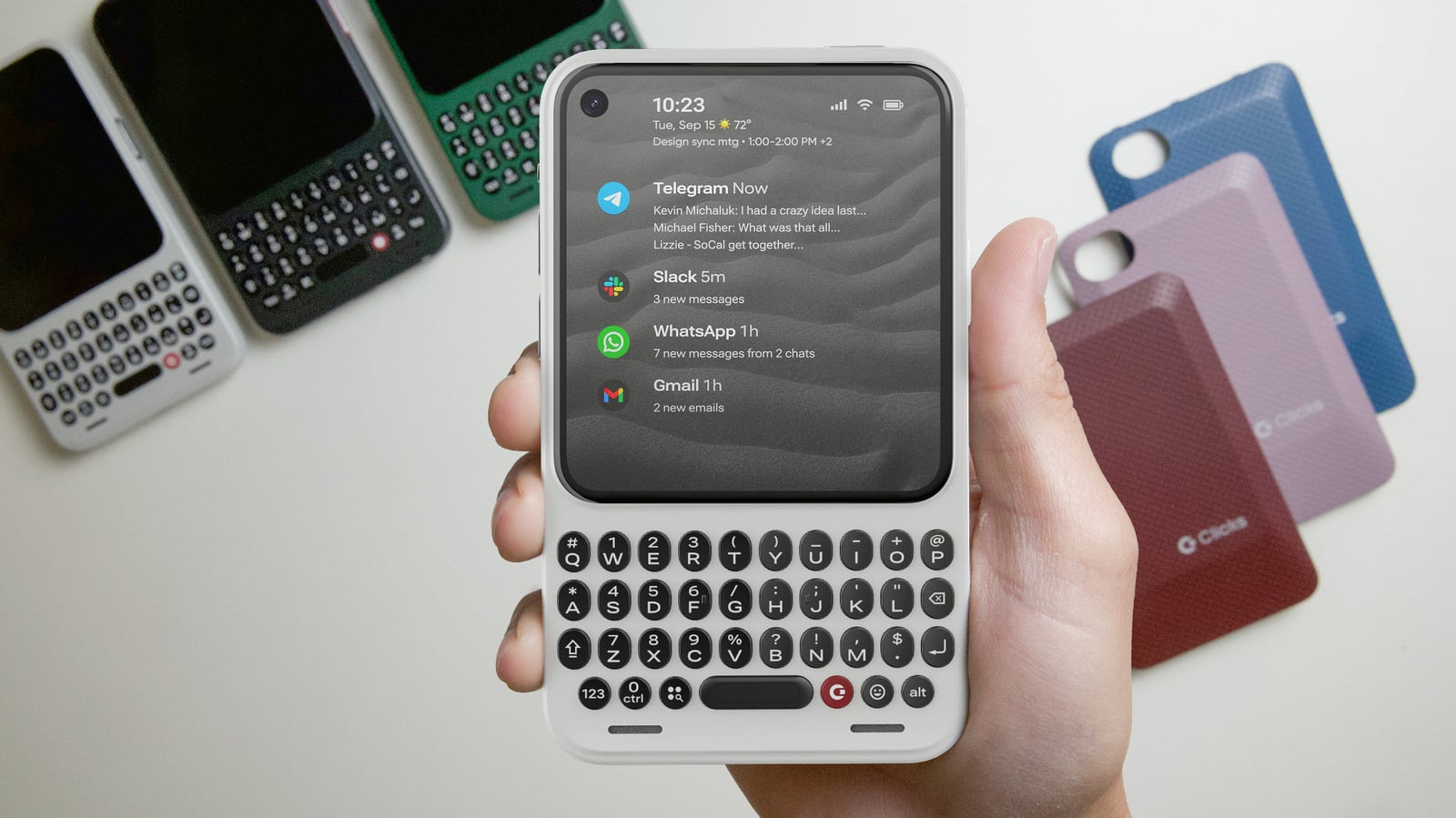
For two years Clicks sold you a keyboard that snapped onto somebody else's phone. Now it wants to sell you the whole phone, and it wants the full $499 about three months before one lands in your hands.
The Clicks Communicator is a small Android phone with a physical keyboard under a 4.03-inch screen, the arrangement you last took seriously on a BlackBerry. Clicks locked in the final specs this week, opened order configuration, and said shipments begin in December. The $499 launch price runs through September 30. On October 1 it becomes $649.
Click to continue reading Clicks Wants $499 Today for a Keyboard Phone That Ships in December
Apple’s Hardware Boss on the iPhone Duo Crease: ‘Hold Us Accountable to That, Please’
Posted by Andru Edwards Categories: Apple, Smartphones,
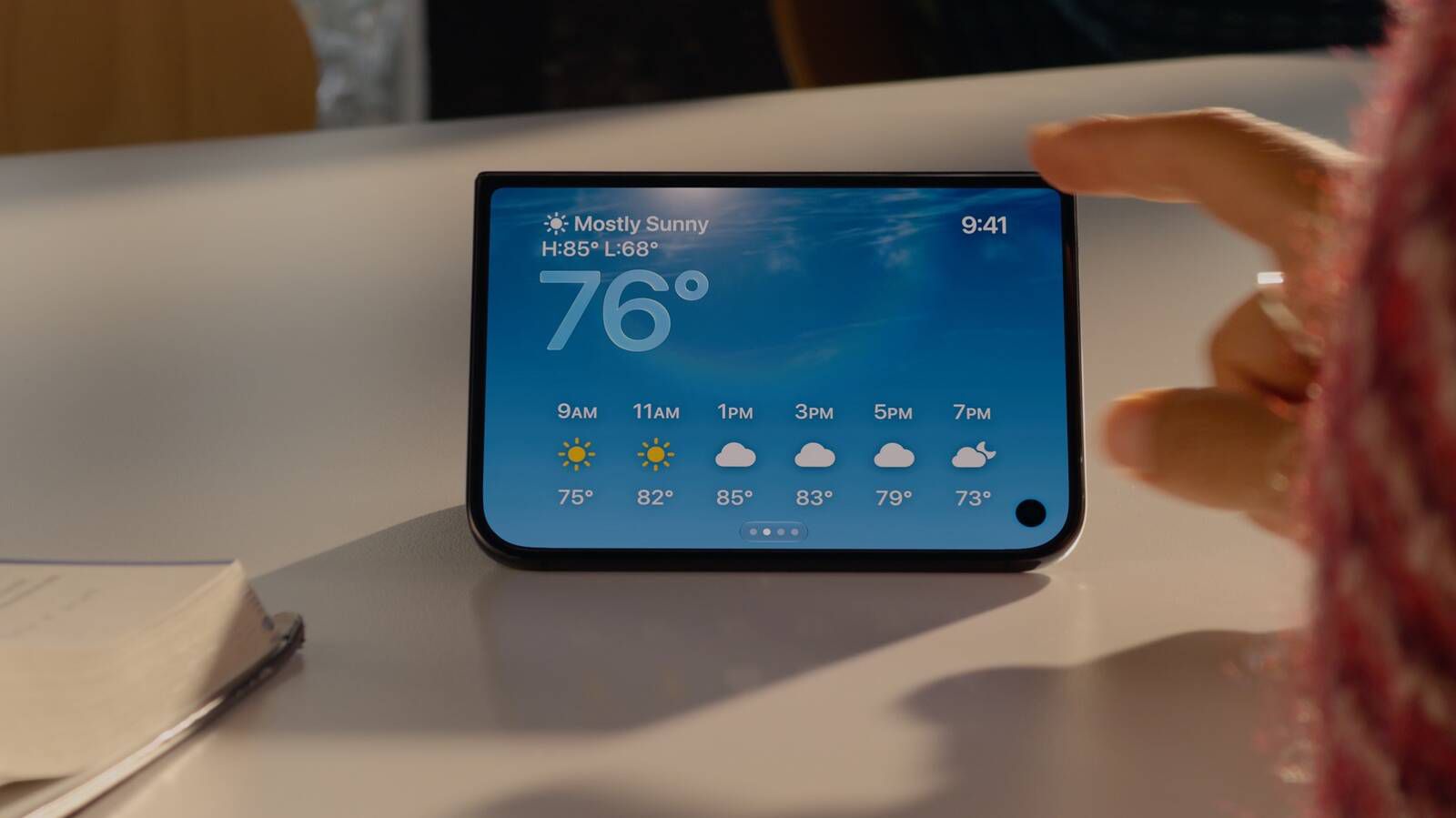
"Hold us accountable to that, please." That is Tom Marieb, Apple's VP of hardware engineering, talking to TechRadar about the crease down the middle of the iPhone Duo. Every folding phone shipped so far has grown one, and Apple has now invited everybody to come back and check on his.
The Duo is Apple's first foldable, it starts at $1,999, and it goes on sale October 23. Nobody outside Apple has folded one a few thousand times yet. Marieb's claim is that when you finally do, you will have a hard time seeing the line, and he would like to be judged on it.
iPhone 18 Pro & Pro Max Review: THIS is What We’ve Been Waiting For! (Video)
Posted by Andru Edwards Categories: Apple, Smartphones, Features, Product Reviews, Videos,
Better battery life. When I polled my YouTube community on the one upgrade they wanted most from a new phone, that answer beat everything else by a mile, and the iPhone 18 Pro and Pro Max are the first iPhones where I think Apple has delivered it. After a week with the 18 Pro Max, on days when I didn't top it up, I was ending the night in the high 20s to low 30s. That's while hammering it nonstop to prepare this review.
Oppo’s Find X10 Pro Max Has Three 200MP Cameras, Including the Ultrawide. It Lands September 22.
Posted by Andru Edwards Categories: Cameras, Smartphones,
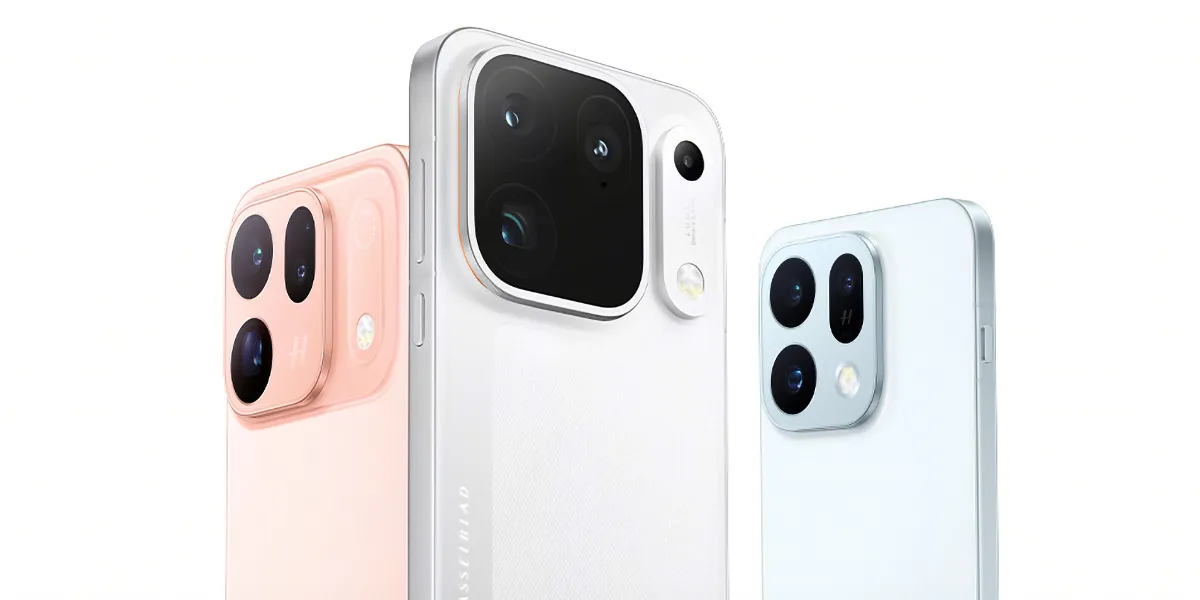
Your phone's ultrawide is almost always its worst camera. It's the lens you reach for when you want the whole room or the whole mountain, and the one you regret the second the light drops. Oppo's answer on the Find X10 Pro Max is to stop treating it like the cheap seat.
Oppo confirmed this week that the Find X10 line arrives in China on September 22, and that the Pro Max carries three 200MP rear cameras: main, ultrawide, and periscope telephoto. The company says no phone has done that before. Find X series product lead Zhuo Shijie posted the specifics on Weibo, so this is Oppo talking, not a tipster.
Is the New iPhone Duo Worth It? Our Hands-on Impressions! (Video)
Posted by Andru Edwards Categories: Apple, Smartphones, Videos,
Four of us ran out of the Apple keynote and straight to the iPhone Duo demo tables (Tayllor Lloyd cleared a row of theater seats to get there), then sat down on Geared Up to argue about what we'd just held. Kevin the Tech Ninja, Miles Franklin, Tayllor, and I all walked away liking the folding iPhone. We didn't all walk away sure it's worth $2,000.
Click to continue reading Is the New iPhone Duo Worth It? Our Hands-on Impressions! (Video)