

Internet
Latest Andru Edwards Videos
Sam Altman Says We Can’t Patch Our Way Out Anymore. His Fix Is More of the Same Technology.

Posted by Andru Edwards Categories: Internet, Artificial Intelligence,

Patching bugs one at a time has been the shape of security work for decades. Find the hole, ship the fix, move on. Sam Altman told a room of Stanford Graduate School of Business students that the approach has run out of road. "I no longer think we're going to be able to just patch all the bugs," he said.
His reasoning comes in two halves, both about speed. AI models keep getting better at finding and exploiting vulnerabilities, and the targets move too slowly to keep up. He called it a problem "we have not, as organizational leaders or countries or individuals, taken seriously."
Advertisement
What YouTube’s Biggest Changes Mean for Your Channel - Made On YouTube 2026 (Video)
Posted by Andru Edwards Categories: Google, Internet, Videos,
Every time I publish a video, I make a bet I can't check. Should my iOS 27 video open with a quick overview, or should feature number one start the second you hit play? At Made on YouTube 2026, YouTube announced a way to test that, and I sat down with creator liaison Rene Ritchie and TechMe0ut to go through it and everything else on stage.
YouTube Will Build a Feed From Your Description
Posted by Andru Edwards Categories: Google, Internet, Artificial Intelligence,
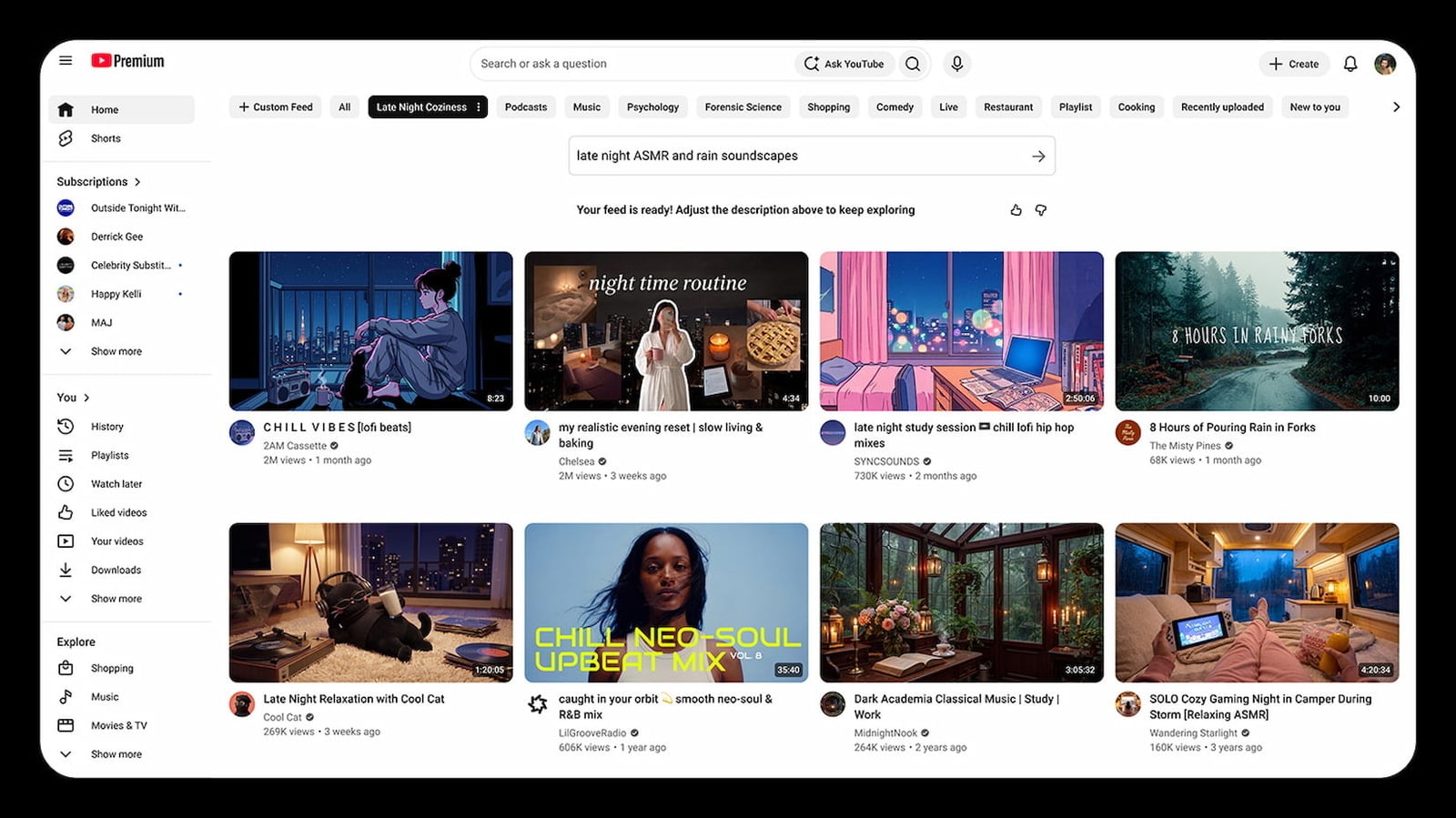
Your YouTube homepage is a guess. Most days it's a good one, built out of everything you've watched, skipped, and let autoplay through at one in the morning. It is still YouTube deciding what you're in the mood for, though, and soon you'll be able to tell it directly instead.
That's the headline feature in a batch YouTube announced today. Custom feeds let you describe what you want in a conversational prompt, and YouTube builds a tab for it. The examples run to a feed for workouts, one for long documentaries, and one that surfaces new creators in a niche you care about. It's coming to web, mobile and TV, in the US first, and the only timing attached to it was "soon."
Click to continue reading YouTube Will Build a Feed From Your Description
YouTube Shopping Is Headed to 35 Countries, and Ask YouTube Wants to Answer Your Shopping Questions
Posted by Andru Edwards Categories: Google, Internet,
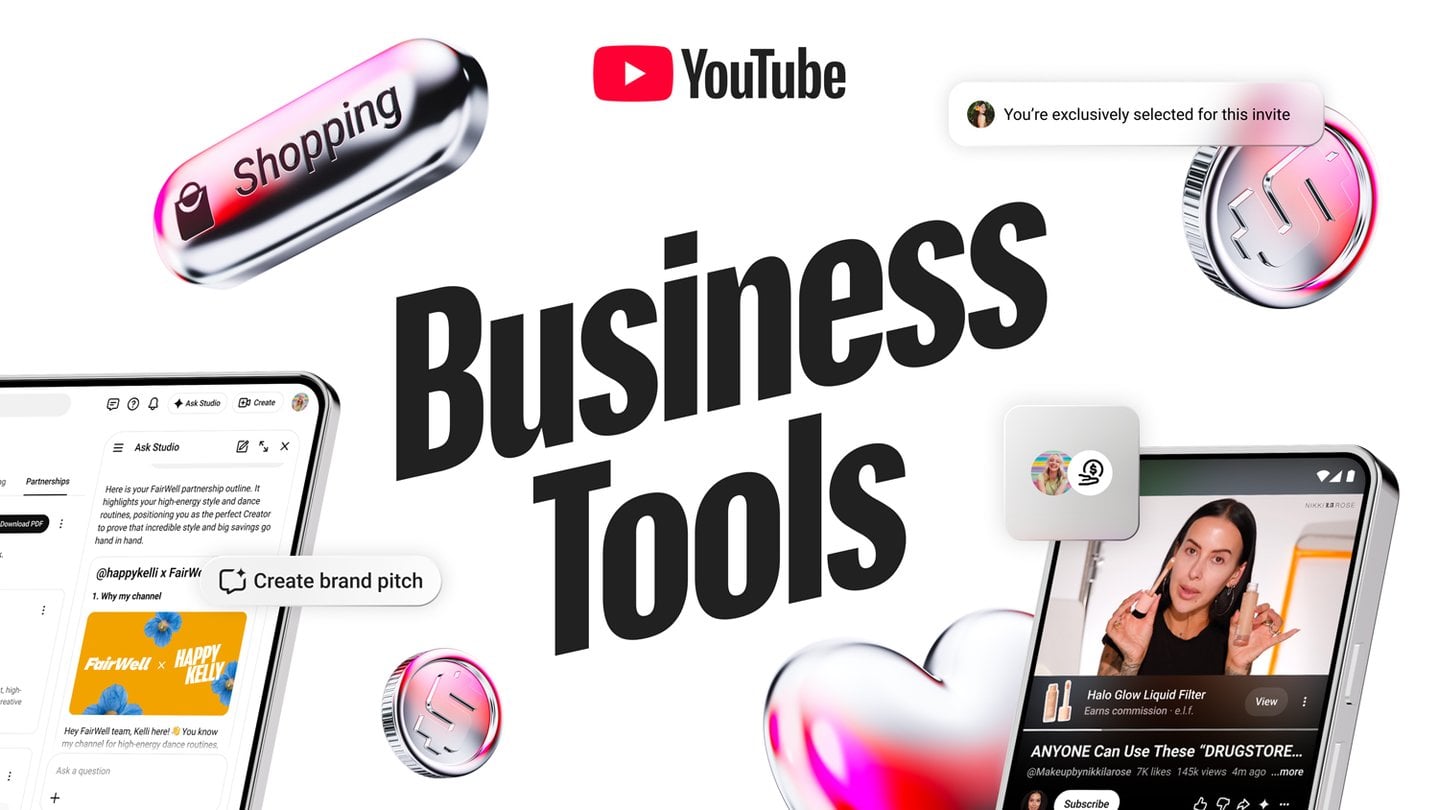
If you've ever bought a pair of headphones because someone held them up to a camera and talked about the bass for eleven minutes, you already use YouTube as a shopping search engine. At Made on YouTube today, the company leaned into that from both ends: more ways for creators to get paid when you buy something, and an AI that will answer the shopping question for you.
The creator half is the more concrete one. The YouTube Shopping affiliate program, which lets creators tag products in their videos and earn a commission on sales, is expanding to 35 countries by the end of the year. YouTube says more than 1.3 million creators are already in the program, and that gross merchandise volume through it has grown 13x over the last two years.
YouTube Live Borrows TikTok’s Gift Battles, and Most of It Waits Until 2027
Posted by Andru Edwards Categories: Google, Internet,
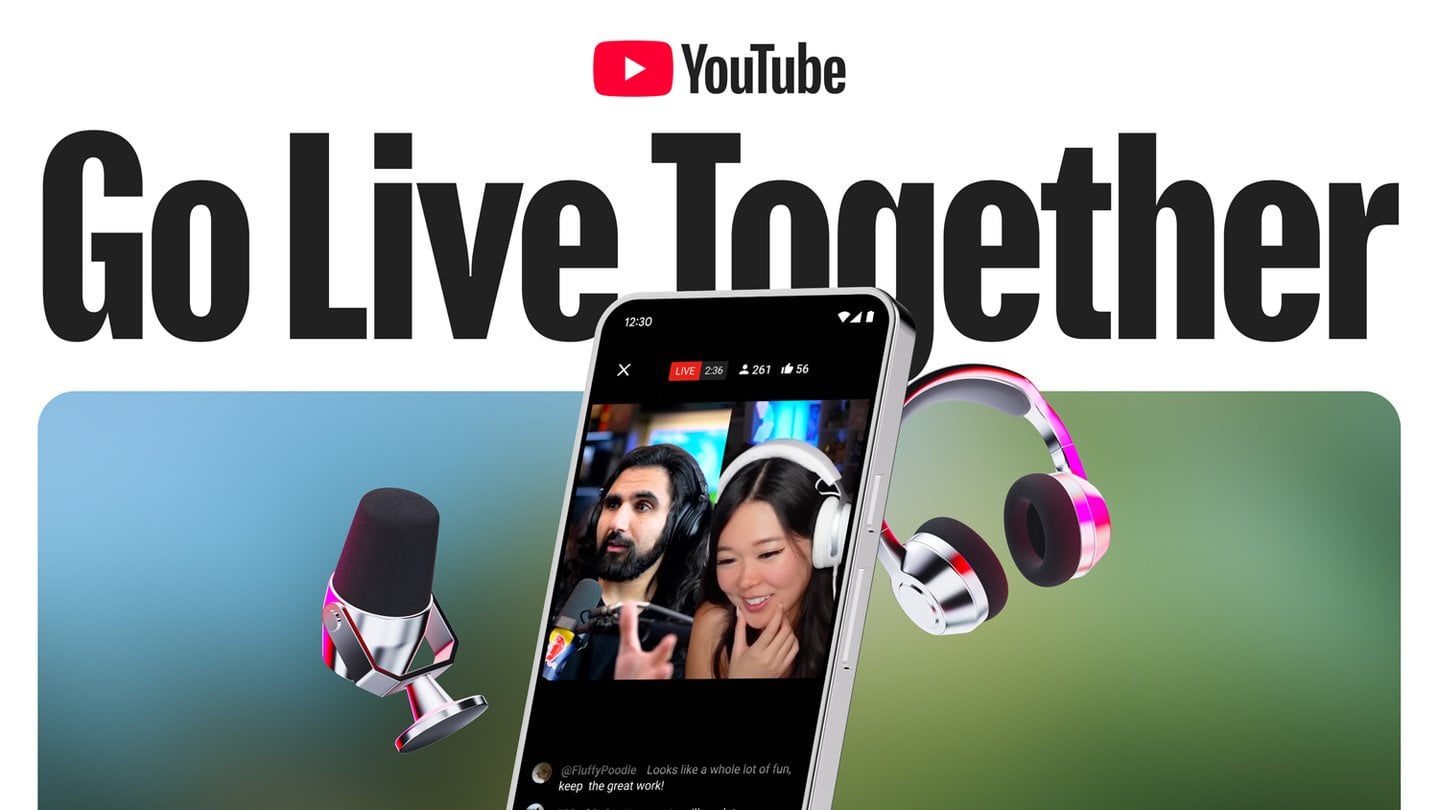
If you've spent any time in TikTok LIVE, you know the split screen: two creators, a score bar, and viewers sending gifts to push their side ahead. YouTube wants that on its own platform, and at Made on YouTube on Wednesday it laid out how it plans to get there.
Timing is the catch. Of the four Live features YouTube announced, one starts rolling out later this year. The other three are dated 2027, and one of those is a pilot. YouTube already has the viewers. It says more than 600 million logged-in viewers watched live content (archives included) each day on average in August 2026.
YouTube Shorts Now Come in Seasons, and YouTube Wants You Watching Them on TV
Posted by Andru Edwards Categories: Google, Internet,
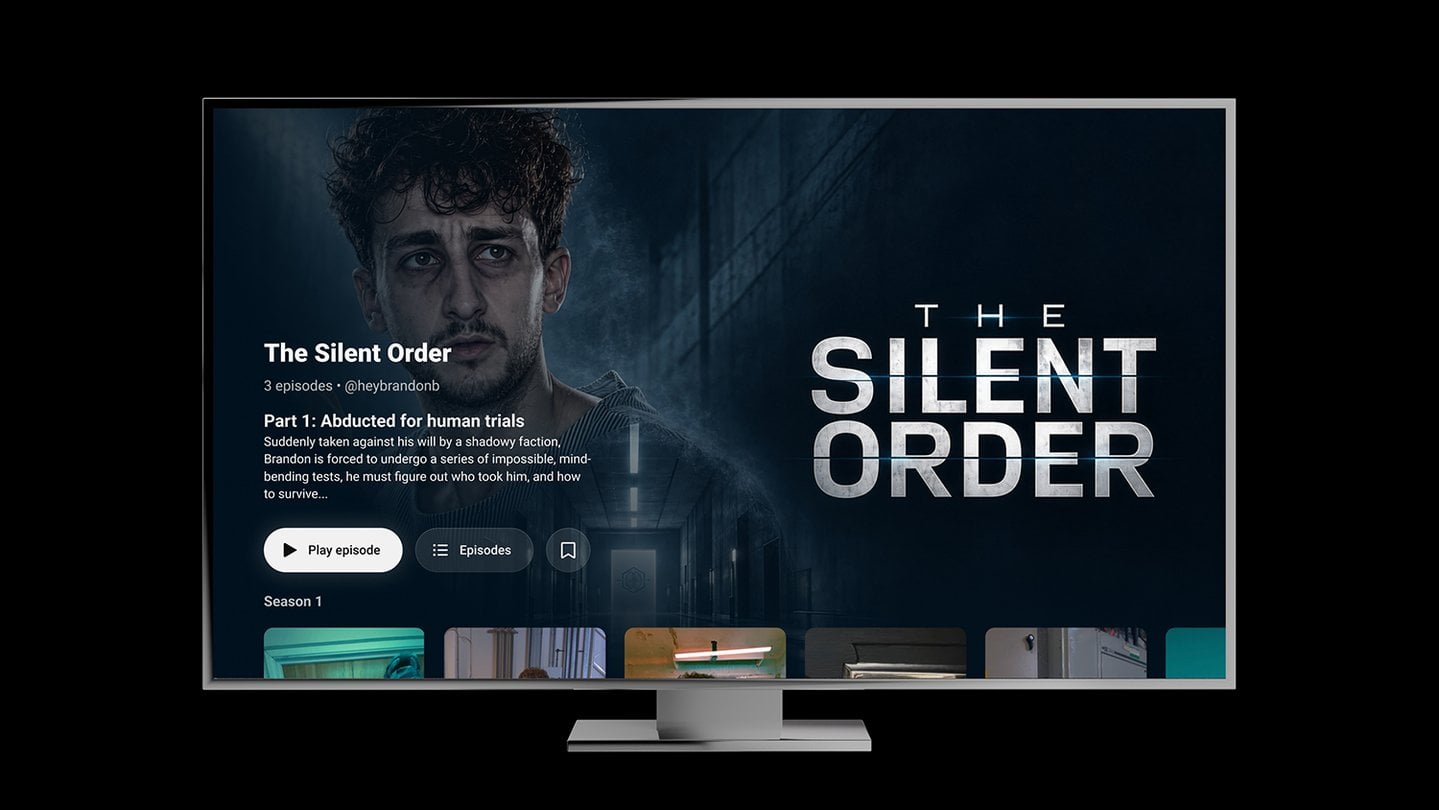
The picture YouTube chose for its newest Shorts feature is a TV. On screen is The Silent Order, three episodes from @heybrandonb, with a Play episode button, an Episodes menu, and a Season 1 row of thumbnails along the bottom. It could pass for a show page on any streaming service. Every episode is a Short.
That's Shorts series, announced today at Made on YouTube and rolling out to creators starting now on web, mobile, and TV. Creators can sort their Shorts into seasons and episodes, give each episode its own custom thumbnail, and have them play in order. YouTube says it builds on its Creator Shows feature. If you liked episode one, sequential playback means episode two comes next, and you don't have to dig through a creator's channel to find it.
YouTube Is Adding Group Chats So You Stop Sending Its Videos to iMessage
Posted by Andru Edwards Categories: Google, Internet,
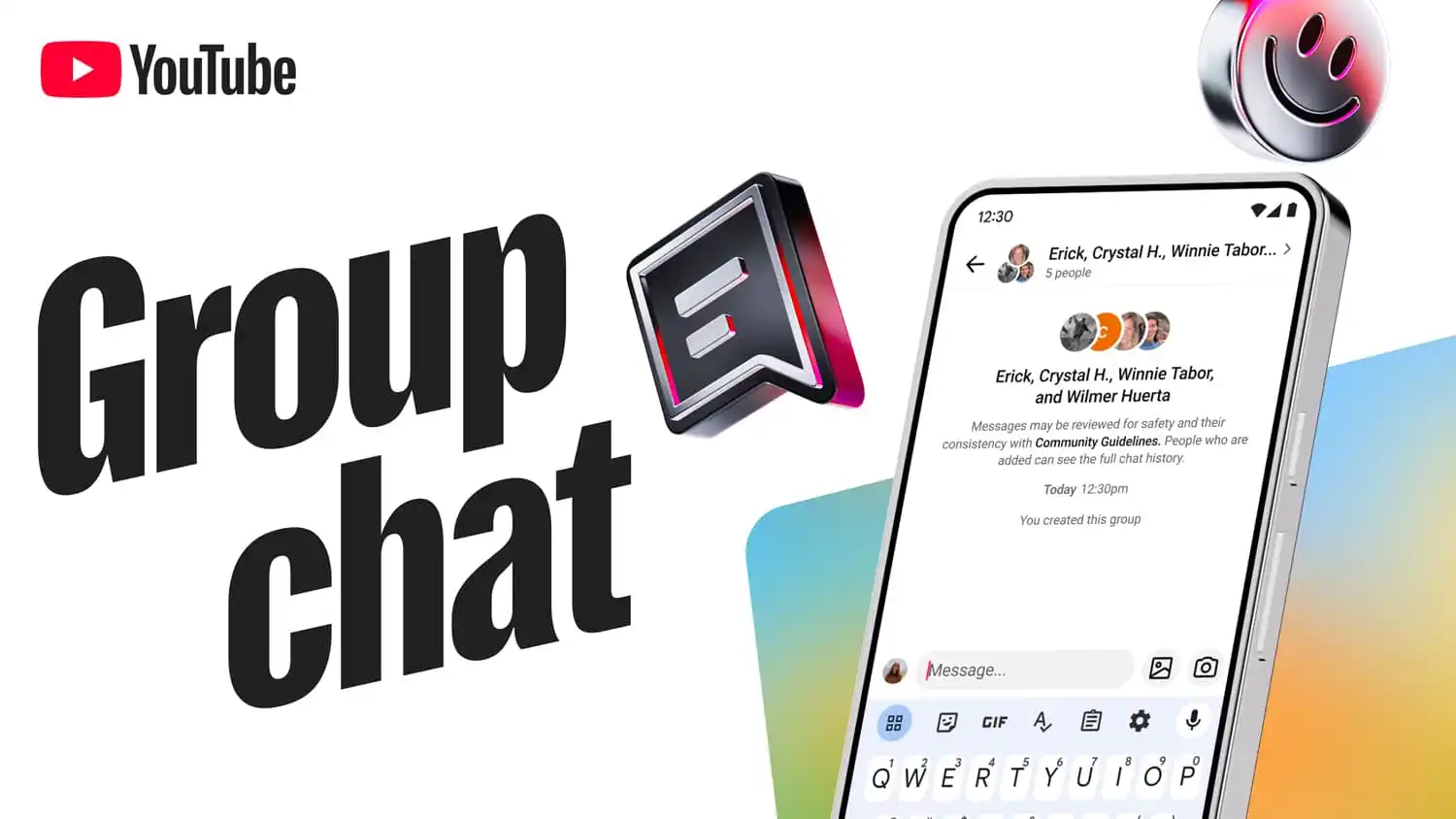
Think about the last YouTube video you sent a friend. You probably copied the link, dropped it into a group thread in iMessage or WhatsApp, and the conversation about it happened somewhere YouTube couldn't see. YouTube wants that conversation back, and this fall it's adding group chats to its in-app messaging to get it.
YouTube announced the change at Made on YouTube on Wednesday. Group chats build on the one-on-one DMs it has been rolling out over the past year, and they're coming this fall in the US, UK, Singapore, Brazil, and some European countries. TechCrunch reports you'll also be able to record quick, unpolished videos and share them in those chats. YouTube's own promo mockup has two lines worth reading before you add your cousins: messages may be reviewed for safety and Community Guidelines, and anyone added to a group can see the full chat history.
Click to continue reading YouTube Is Adding Group Chats So You Stop Sending Its Videos to iMessage
YouTube’s Custom Feeds Turn Your Homepage Into a Prompt Box
Posted by Andru Edwards Categories: Google, Internet,
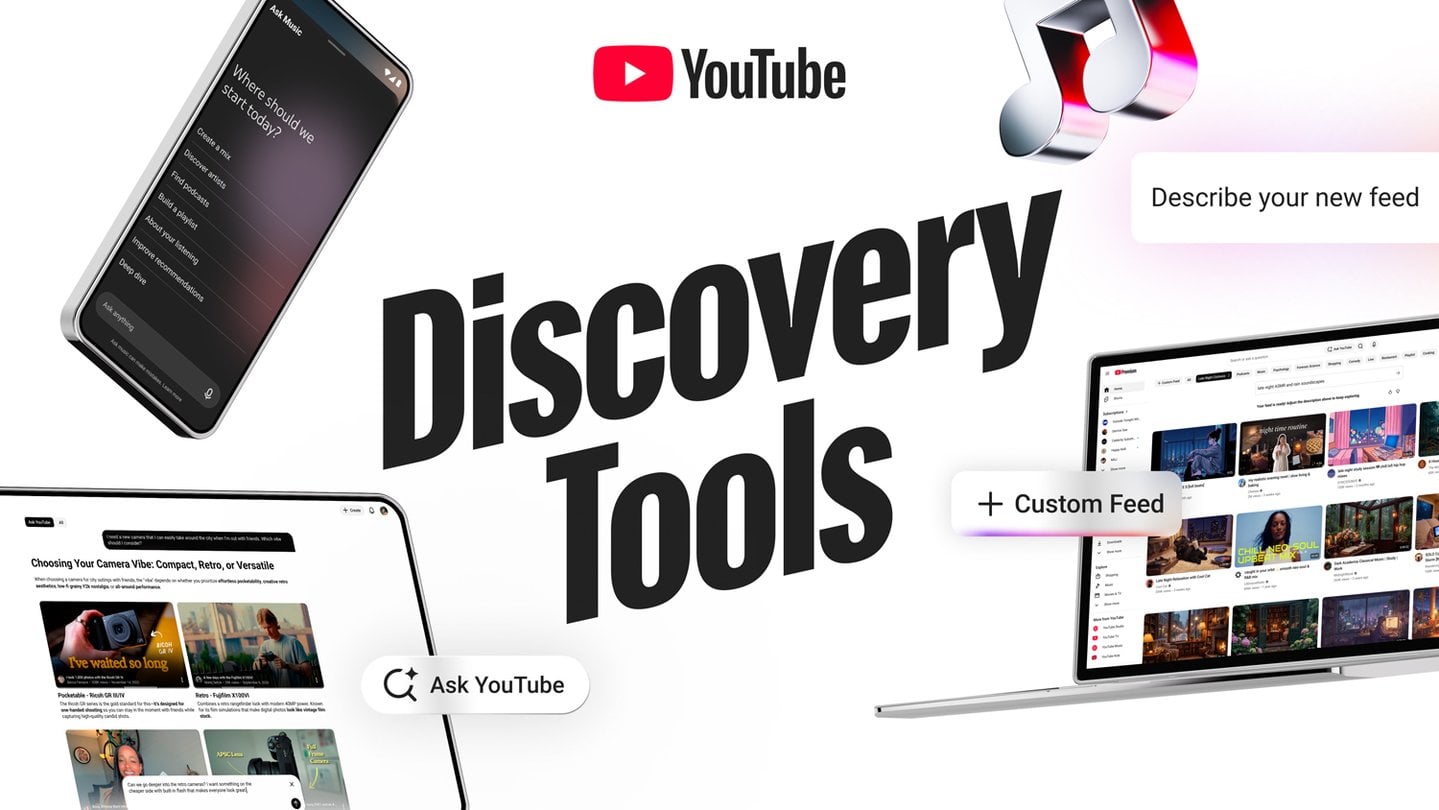
YouTube's homepage has always run on inference. It watches what you finish, what you skip, and what you let autoplay at 1 a.m., then guesses what you want next. Custom Feeds, announced today at Made on YouTube, lets you type the request yourself: "Witty podcasts for my daily 30-minute commute," to borrow YouTube's own example.
Whatever you describe becomes its own tab on the homepage, and you can save several. YouTube says the feeds update automatically with fresh recommendations, so a commute tab keeps pulling in new picks after the first day. Its other examples are "Evening wind down with long documentaries" and "Help me discover new DIY creators." The feature is coming to US users on web, mobile and TVs "soon," with no date attached.
Click to continue reading YouTube’s Custom Feeds Turn Your Homepage Into a Prompt Box
This Meta Muse Invite Code Gives You 1 Billion Free Tokens (CC2P24)
Posted by Andru Edwards Categories: Hot Deals, Internet, Artificial Intelligence,

Meta launched Muse on September 8. It's the company's personal AI agent, and the pitch is that it does the task instead of telling you how to do it. Meta has now switched on invite codes, and mine gets you 1 billion free Muse tokens. I get the same, so read this as a referral post that also tells you what you're signing up for.
The steps, in order. Sign up at muse.ai/join or in the app. You need a Meta account, not a Facebook or Instagram login, and on the web you sign in with your phone number. Once you're in, open Settings and enter CC2P24 as your invite code. Do that within 48 hours of creating the account, because the window closes after that. When it goes through, you get 1 billion tokens and so do I.
Muse lives at muse.ai and in iOS and Android apps, with a WhatsApp option and support for Meta's AI glasses promised for later. You hand it a job (send this email, book that flight, fill out this form, turn this recipe into a shopping list) and it works in a browser on your behalf, keeps going after you close the app, and comes back when it needs your sign-off. It runs on Muse Spark, which Meta calls its most capable model to date, and it's US only for now.
Click to continue reading This Meta Muse Invite Code Gives You 1 Billion Free Tokens (CC2P24)
Meta’s Muse AI Agent Will Book the Flight and Haggle the Bill (Invite Codes!)
Posted by Andru Edwards Categories: Internet, Software, Artificial Intelligence,
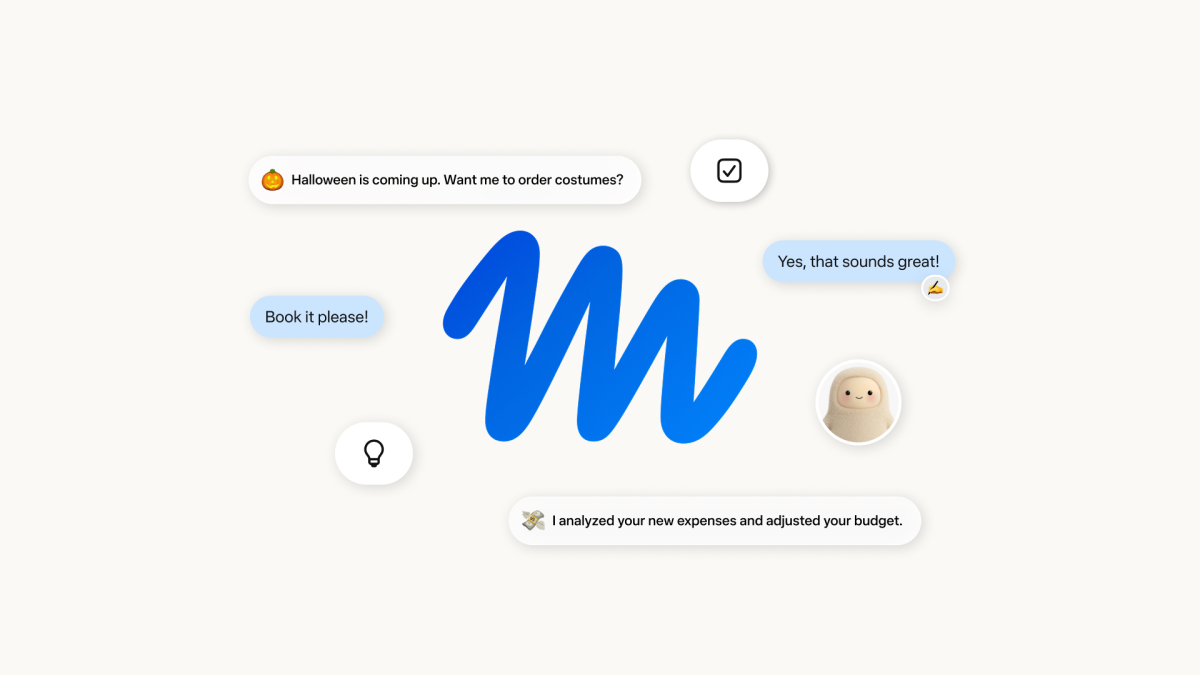
You know the part of a chatbot conversation where it hands you a tidy plan and then you go do all the work yourself? Meta's new Muse is built to skip that part. It's a personal AI agent, a separate product from the Meta AI app, and its pitch is that it goes and does the thing: sends the email, books the trip, fills out the form, negotiates the bill.
It launched September 8 in the US on iOS, Android. You can sign up at muse.ai/join or in the app. You need a Meta account, not a Facebook or Instagram login, and on the web you sign in with your phone number.
Once you're in, open Settings and enter CC2P24 as your invite code. Do that within 48 hours of creating the account, and you get 1 billion free tokens.